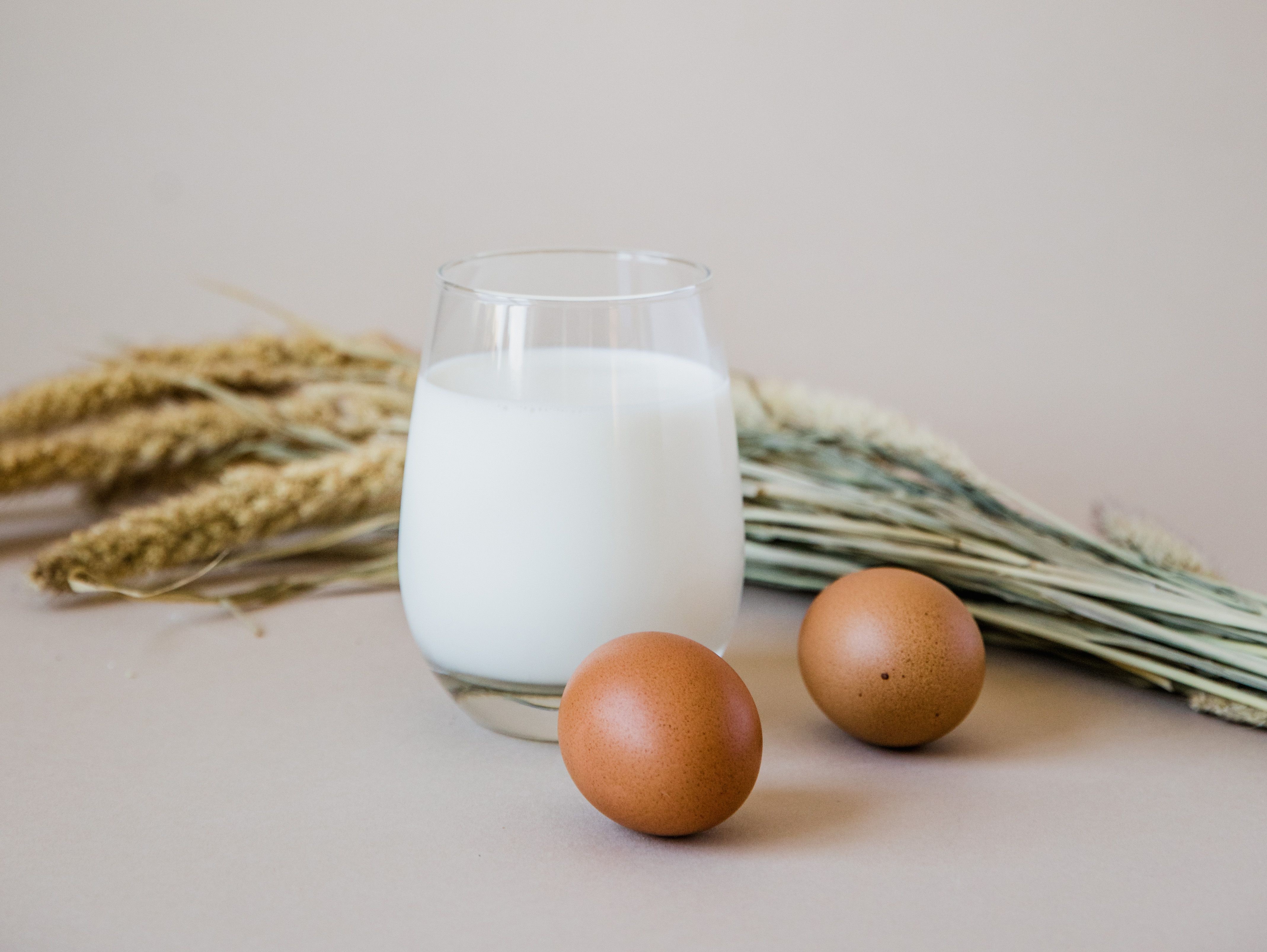
Protein is one of the three main macronutrients our bodies need, alongside carbohydrates and fats. It is made up of amino acids, which the body uses to build and maintain muscles, tissues, enzymes, hormones, and other important components.
Protein is needed throughout life. However, the amount and type of protein a person needs can vary depending on factors such as age, body size, activity level, health status, and individual nutritional needs.
What Does Protein Do?
Protein has many important roles in the body. It helps maintain and repair body tissues and contributes to the production of enzymes, hormones, and other substances involved in normal body functions.
Protein and muscle health
Protein provides amino acids that the body uses to maintain and repair muscle tissue. Regular physical activity combined with adequate nutrition supports healthy muscle function.
Where Can You Get Protein?
Protein can come from both animal and plant foods. Including a variety of protein sources can help you build a balanced eating pattern.
Does More Protein Always Mean Better?
Not necessarily. Nutrition is about balance rather than focusing on one nutrient alone. Eating a very high-protein diet is not automatically healthier, and individual nutritional needs are different.
The overall quality of your diet matters. Protein works alongside carbohydrates, fats, vitamins, minerals, fibre, and adequate fluids to support a balanced eating pattern.
Think balance, not perfection
Instead of focusing on one "perfect" food or nutrient, aim for a varied eating pattern that provides a range of nutrients.
A Simple Way to Include Protein
Try including a source of protein in your main meals. This could be dhal with rice, yoghurt with a meal, chickpeas in a salad, or an appropriate portion of meat, fish, eggs, or another protein-rich food.